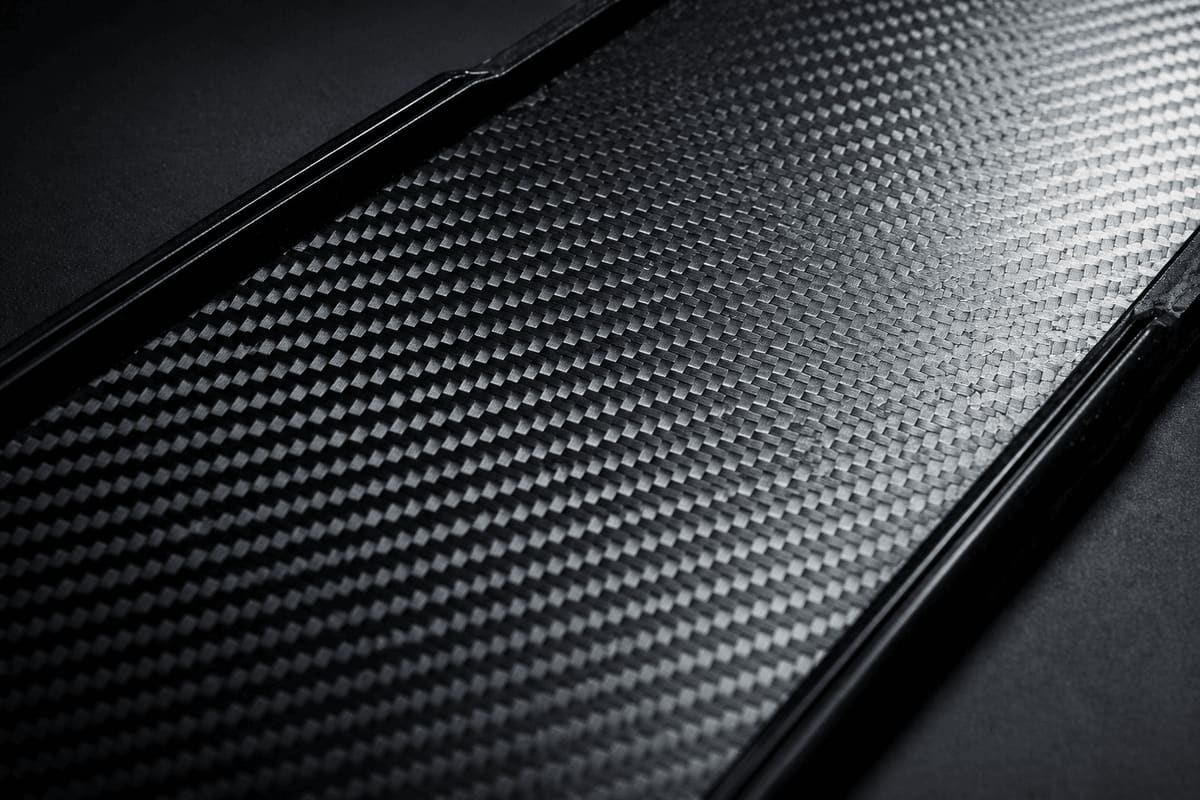
Carbon Fiber Freediving Fins - What They Are and Who Should Use Them
How carbon fiber freediving fins work, how they compare to fiberglass and plastic, how to choose blade stiffness, and when upgrading to carbon actually makes sense.
A freediving fin blade does one thing: transfer the force of your leg kick into forward motion through the water. The less energy lost in that transfer - to blade flex, drag, and vibration - the more of each kick actually moves you.
Blade material determines how efficiently that transfer happens. Carbon fiber is at the top of that hierarchy, and the reason comes down to a simple mechanical property: stiffness-to-weight ratio.
Why Blade Material Matters
When your leg pushes a fin blade through a kick cycle, the blade flexes, stores energy at maximum bend, then snaps back - releasing that stored energy as thrust. This is the same principle as a bow and arrow or a spring.
A stiffer blade stores more energy per kick and releases it faster. But stiffness alone isn’t the goal - the blade also needs to be light, because a heavy blade costs muscular energy just to move through the water before any propulsive work is done.
Carbon fiber gives you both: high stiffness and very low weight. The result is fins that return more thrust per kick while fatiguing your legs less over a long session. On a 10-dive session at 20m, the cumulative difference is real.
Fiberglass blades are close - stiffer and lighter than plastic, but heavier and slightly less rigid than carbon. Plastic (thermoplastic) blades are the heaviest and softest. Each has its place, but carbon is the clear top of the performance range.
Carbon vs Fiberglass vs Plastic
Plastic / thermoplastic blades - the standard beginner blade. Soft flex, forgiving of technique errors, cheap, nearly indestructible. You can sit on them, drop them, stuff them in a bag. They work. They’re also the least efficient - more of your kick energy goes into bending the blade than into thrust. Fine for shallower recreational dives. Not the tool for depth training.
Fiberglass blades - the middle ground. Meaningfully stiffer and lighter than plastic, with better energy return per kick. More efficient than plastic, more durable and cheaper than carbon. Many serious intermediate divers dive fiberglass their entire career without needing to upgrade. Where carbon starts to pull ahead is in repetitive deep dives where accumulated kick fatigue matters.
Carbon fiber blades - maximum stiffness-to-weight ratio. The blade flexes precisely through the kick arc and snaps back efficiently without the energy loss of heavier materials. The trade-off: brittle. Carbon fiber does not bend repeatedly before breaking like plastic does - it cracks. One hard impact on the right angle can split a blade. This is a handling issue, not a diving issue. In the water, carbon fins survive indefinitely.
Understanding Blade Stiffness
Carbon fins are sold in stiffness grades - typically soft, medium, hard, and extra-hard. The grade determines how much force is needed to flex the blade through its arc.
This matters because the ideal stiffness is matched to the diver’s leg strength, kick frequency, and target depth:
Soft - works well for divers with a slow, relaxed kick style, or those targeting shallower depths (under 15m). Also appropriate for dynamic apnea training in the pool where long distances matter more than per-kick power output. Softer blades are more forgiving if your kick technique isn’t fully locked in.
Medium - the all-around choice. Suits the widest range of body types and dive profiles. Most divers transitioning from fiberglass should start here. If you’re not sure, medium is the right call.
Hard - designed for divers targeting 20-30m+ who have strong legs and a consistent, powerful kick cycle. A hard blade underperforms when the diver doesn’t have the leg strength to fully load the blade. If hard fins don’t feel different from medium, your legs aren’t loading them enough.
Extra-hard - competitive depth specialists. 30m+ constant weight divers doing structured training with high kick power. Not a practical choice for recreational diving.
The common mistake: buying the stiffest blade available because it seems like more performance. A blade that’s too stiff for your leg strength doesn’t load properly - you get none of the energy-return benefits and your kick becomes inefficient. A medium blade fully loaded performs better than a hard blade half-loaded.
The Blade-and-Pocket Setup
Most serious carbon fin setups are sold as blades only, separate from foot pockets. This is by design - foot pocket fit is personal, and the combination allows you to optimize both independently.
Blades come from companies like Molchanovs, Leaderfins, Omer, Salvimar, C4, and Pathos. Most blades use a universal rail system that accepts standard foot pockets.
Foot pockets are sold separately by Molchanovs, Omer, Beuchat, Salvimar, and others. Fit varies significantly by foot shape - some pockets suit narrow feet well, others accommodate wider feet. The pocket should hold the foot firmly without pressure points, allow full ankle extension, and transfer force cleanly to the blade without flex at the connection point.
If buying your first carbon setup without being able to try pockets on, read user feedback specifically about foot width. Returning foot pockets is inconvenient. Some shops allow fitting sessions if you’re buying locally.
Some brands sell complete carbon fin sets (blade + pocket packaged together). Molchanovs, Omer, and Mares do this. It removes the guesswork for first-time carbon buyers but limits your ability to optimize the two components independently later.
Price Expectations
Carbon fiber blade prices range from roughly $150 for entry-level carbon (companies like Leaderfins offering accessible pricing) up to $400-600+ for top-tier brands like Molchanovs, C4, or Pathos. Foot pockets add $50-150 depending on brand.
The full setup cost for a quality carbon rig: $250-700+, depending on brand tier and whether pockets are included.
Leaderfins occupies a particular market position: they produce their own carbon blades at prices well below the major European and US brands, with stiffness selection available. The blades are functional and well-reviewed by divers who prioritize value. The trade-off is less brand prestige and sometimes longer shipping times (shipped from Latvia).
Care and Common Mistakes
Carbon fiber is brittle in a specific way - it handles diving stress fine but cracks from point impacts and inappropriate bending. The practical rules:
Never sit on or step on carbon blades. The most common way blades crack. Store them flat or in a sleeve, not propped against something where someone might knock them.
Use a blade bag or sleeve for transport. Loose blades in a gear bag get pressed on by wetsuits and weights. A simple protective sleeve costs very little and prevents the most common damage.
Rinse with fresh water after salt water diving. Not for structural reasons - for the foot pocket attachment points and any metal hardware, which corrode. The carbon itself doesn’t care about salt water.
Avoid prolonged sun exposure when stored. UV radiation degrades epoxy resin over years of exposure. Not a session-by-session concern - a long-term storage consideration.
Transport blade-first when walking to the water. Don’t walk on a beach with the blades dragging behind you. The tip contacts rocks, coral, and hard surfaces. Carry them or walk fin-first.
When to Upgrade to Carbon
The honest version of this question: upgrade when you’ve hit the actual ceiling of your current blades, not when you want the equipment to do the work your technique hasn’t reached yet.
Concrete signals that you’re ready:
- You’re consistently reaching 15-20m and want to push deeper
- Your kick technique is stable enough that you can feel how blade energy return works
- You’ve been diving fiberglass and the blade flex is limiting your efficiency noticeably
If you’re still working on equalization, duck dives, and your first 10m dives, spend the money on a course or more pool time instead. The blade won’t solve those problems.
For a full comparison across all fin materials and our top picks at each tier: Best Freediving Fins.
Frequently Asked Questions
Are carbon fiber fins worth it for beginners?
How long do carbon fiber fins last?
Can carbon fins be repaired if cracked?
What stiffness carbon fin should I buy?
Do I need special foot pockets for carbon fins?
Marcus Webb
Freediving Instructor & Gear Reviewer
Marcus Webb has been freediving for over nine years, training in Dahab, the Philippines, and along the California coast. He holds a PADI Advanced Freediver certification and AIDA 2* and has completed over 1,200 logged dives across static apnea, dynamic, and depth disciplines. He reviews every piece of gear he recommends from personal use — he does not accept payment for positive coverage.